
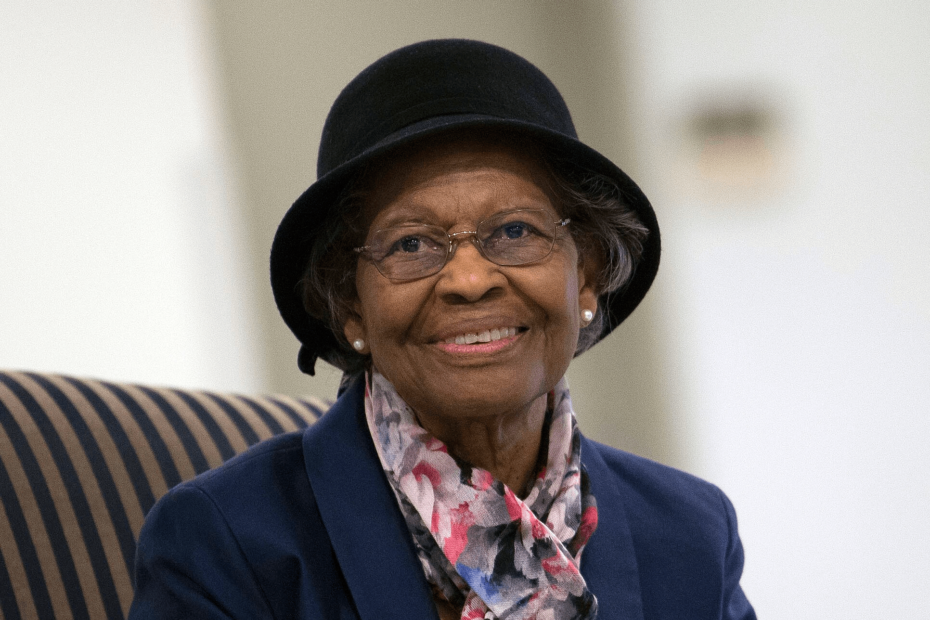
This week, the scientific community marked the passing of Dr. Gladys Mae West, an African American mathematician and one of the architects of the Global Positioning System, at age 95. Her life reminds us that some of the most consequential innovations in modern history are powered by people whose brilliance went unrecognized for far too long.
GPS shapes nearly every aspect of contemporary life. It guides how we navigate cities, deliver emergency services, manage supply chains, and connect globally. Yet for decades, the African American woman whose mathematical work helped make this technology possible remained largely invisible outside scientific circles.
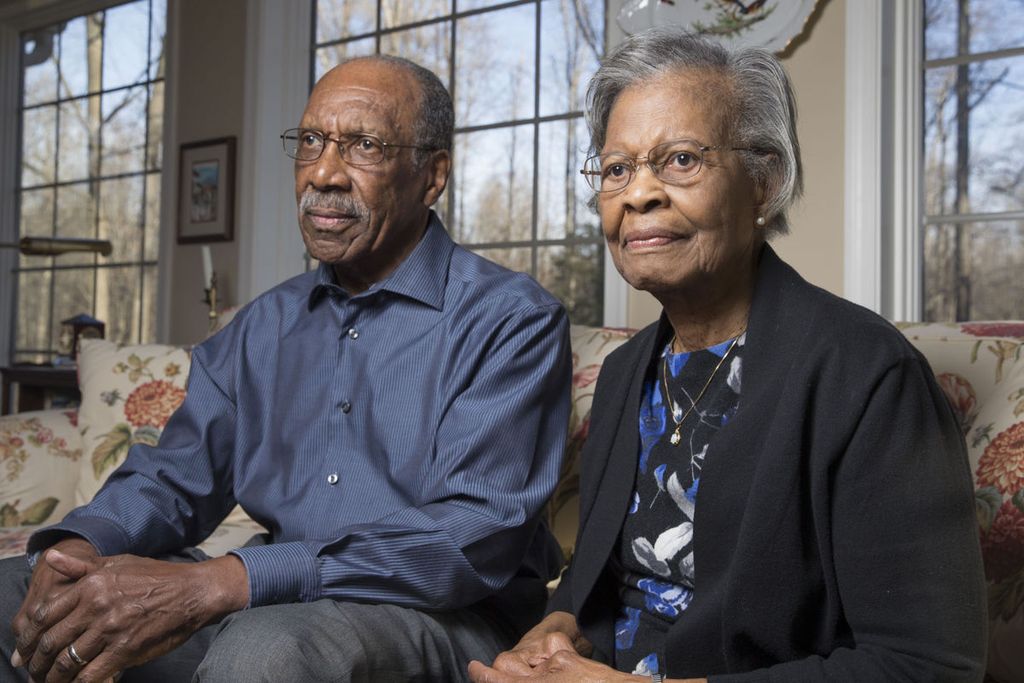

Born in rural Virginia during the Jim Crow era, Dr. West grew up on a farm where opportunities for Black Americans, particularly African American women, were severely limited. Through discipline, intellectual rigor, and a deep commitment to learning, she became valedictorian of her high school class, earned a scholarship to Virginia State College, and spent more than four decades as a mathematician at the U.S. Naval Surface Warfare Center. Her work in satellite geodesy and mathematical modeling laid critical foundations for GPS as we know it today.
Her story is a real-life example of what we often describe as Hidden Figures. American progress has repeatedly depended on people whose contributions were essential but rarely centered. Recognizing these stories matters because it shapes who believes they belong in the future of science, engineering, and leadership.
Why This Legacy Is Personal
Dr. West’s journey resonates with my own family history. My father and my uncle both chose professional engineering at a time when many career paths were constrained by race. They selected engineering because, in their experience, race was not a factor in the merit system. The work spoke for itself.
That choice reflected faith in rigor, standards, and fairness. It reflected confidence that preparation, competence, and persistence could carry you forward even when other systems did not. Engineering offered a space where contribution mattered and results could not easily be dismissed.
That same commitment to excellence defined Dr. West’s career. She advanced knowledge steadily and quietly, producing work that continues to shape the world decades later.
Her contributions helped map the world. Our responsibility is to ensure the next generation knows there is a place for them in shaping it.
See this NYTimes article for more.