
By Dr. Gregory J. Vincent & Ludwig P. Gaines, J.D.
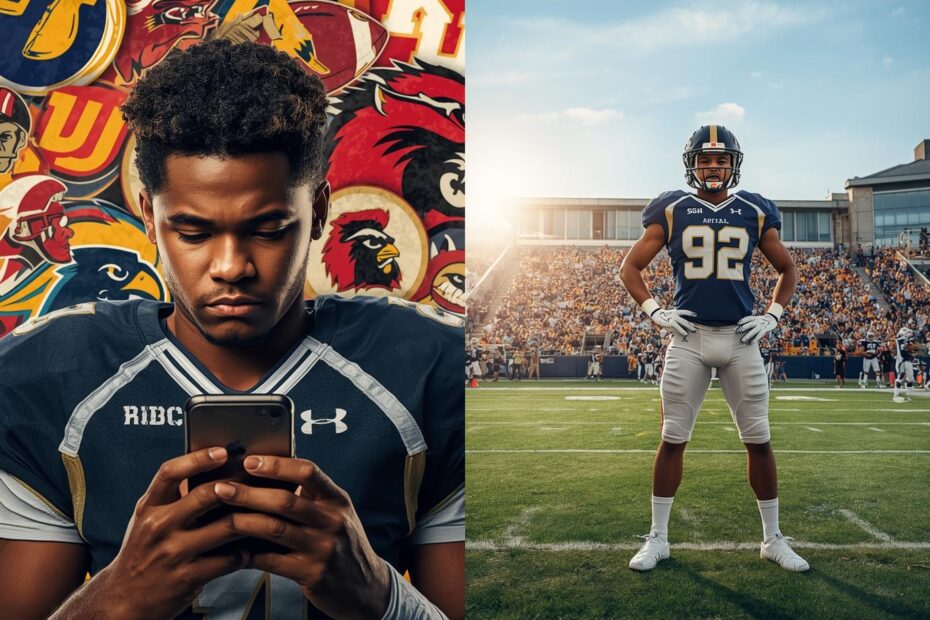
Name, Image, and Likeness has officially entered its “new normal.” What started in 2021 as a wild, experimental marketplace is now a multi-billion-dollar ecosystem stretching from Power 4 football to local high school gyms.
In 2025, two big shifts are reshaping the landscape:
- The House v. NCAA settlement and direct revenue-sharing at the college level, and
- The rapid expansion of NIL rights for high school athletes across the country.
Here’s a 360° look at where things stand — and what it means for student-athletes, families, and educational institutions.
1. The House v. NCAA Settlement: NIL Grows Up
 In June 2025, a federal judge granted final approval to the House v. NCAA settlement, a landmark antitrust case that forces the NCAA and the Power Five conferences to pay nearly $2.8 billion in back damages to athletes over 10 years.
But even more important is what happens going forward:
- Division I schools that opt into the settlement will be allowed to directly share revenue with their athletes, starting with an estimated $20.5 million annual cap per school in 2025–26, with that cap rising over time.
- Scholarship limits can be removed for participating schools.
- NIL payments cannot be banned outright for deals with real business purpose.
- Collectives can still operate but must reflect legitimate market value.
Industry analysis now estimates collegiate NIL spending in the $1.5B+ annual range and rising.
2. High School NIL: From “What If?” to “What Now?”
 As of 2025:
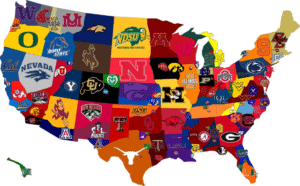
- Over 40 states allow some form of NIL activity for high school athletes.
- Rules vary: most ban the use of school logos, prohibit pay-for-play or recruiting inducements, and require deals to reflect real marketing value.
- Ohio is a current flashpoint, with a lawsuit temporarily opening NIL while principals vote on permanent rules.
High school NIL is the fastest-moving frontier in the athlete economy.
3. Common High School NIL Rules & Restrictions
- No school logos or uniforms.
- No pay-for-play or recruiting inducements.
- No deals involving coaches or school-affiliated adults.
- Compensation must reflect fair market value.
4. The New Risks: Confusion, Compliance, and Well-Being
 Biggest risks include:
- Rule confusion and eligibility issues.
- Taxes, financial literacy, and planning for minors.
- Mental health, time management, and academic distractions.
- Reputational and brand safety concerns.
Without guidance, families and athletes are navigating NIL on “hard mode.”
5. The 360 NIL Perspective
A. Build a 360° Support System Around the Athlete
This includes financial literacy, contract awareness, mental health, brand development, and long-term planning.
B. Help High Schools and Districts Catch Up
Schools need policies, guidance frameworks, and education for parents, students, and coaches.
C. Prepare High School Athletes for a New College Reality
Today’s recruits will enter a college world with revenue sharing, collectives, and more complex NIL systems than ever.
Where We Go From Here
The NIL era is maturing. With House reshaping college sports and high school NIL surging, the institutions that thrive will be those that prioritize education, structure, and integrity.
360 NIL remains committed to:
- Supporting institutions with a sustainable NIL strategy.
- Supporting families and athletes with holistic, life-centered NIL education.
- NIL is here to stay — the question now is how to engage with it responsibly and strategically.
For customized high school NIL workshops, parent/coach sessions, or institutional readiness assessments, contact the 360 NIL Group.