

By Ludwig P. Gaines, Co-Founder and President, 360 NIL Group
—
The summer of 2025 has brought an extraordinary wave of change to college athletics. For decades, the notion that student-athletes could receive direct compensation from their institutions was unthinkable. Today, it is not only a reality—it’s a regulated, multi-billion-dollar framework that will define recruiting, roster construction, donor engagement, and the athlete experience for years to come.
At 360 NIL Group, we help institutions of all sizes, collectives, and athletes navigate these shifts with a mission-aligned approach. Here’s my take on what’s happened, why it matters, and what’s next.
Legal: House v. NCAA Settlement
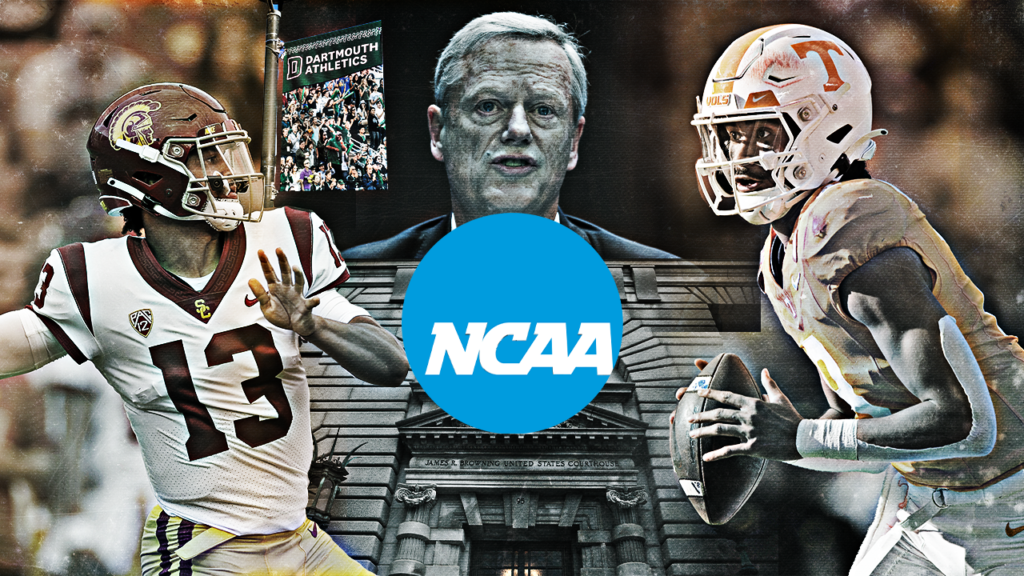
The $2.8 billion House v. NCAA settlement is the clearest sign yet that the amateurism model has permanently evolved. Starting this month, schools can allocate up to $20.5 million annually to directly compensate athletes, with room for growth over the next decade.
This is a watershed moment—historic both for the size of the payout and for the formal acknowledgment that athletes deserve a share of the revenue they generate. But it’s also a new compliance challenge: institutions must carefully balance payouts with Title IX obligations, roster sizes, and non-revenue sport sustainability.
Legal: Title IX Equity Challenge
 Eight female athletes have filed a major appeal arguing the settlement shortchanges women’s sports by over $1 billion. If successful, this could force an overhaul of the entire revenue-sharing model before a single payment is made.
My view: this case has real teeth. Schools can’t afford to “wait and see” here—they must model different payout scenarios now to avoid being caught flat-footed if the courts intervene.
Governance: NIL Go Portal and Oversight
The College Sports Commission (CSC), with Deloitte’s NIL Go portal, is now the traffic cop of NIL deals. Every deal over $600 must pass a “valid business purpose” test. Collectives are allowed—but only if they’re tied to legitimate endorsements, appearances, or sponsorships.
For institutions, this is both a safeguard and a stress test. A strong compliance team is now as important as a strong recruiting class.
Legislative: Federal NIL Proposal
Congress is floating a federal NIL bill to end the patchwork of state laws. It would standardize disclosures, regulate NIL agents, and give schools discretion to reject deals that conflict with institutional values or intellectual property.
This could be a relief for compliance officers—but the details will matter. If passed, this law could also limit the “wild west” deal-making that’s been driving donor and booster headaches for years.
Executive Action: Presidential NIL Order
President Trump’s July executive order doesn’t carry the force of a statute, but it’s a political statement with practical ripple effects: no pay-for-play, scholarships must be protected, and women’s/non-revenue sports should not suffer under the new model.
Whether you agree or disagree with the politics, the messaging matters—it’s a sign that NIL is now firmly in the national policy spotlight.
Institutional Response: Mass Adoption
Over 300 schools have opted into the revenue-sharing model. That’s remarkable speed for such a disruptive change. Institutions are cutting roster sizes, reshaping scholarship models, and—critically—looking for new revenue streams to fund these payouts without cutting programs.
The early adopters may gain a recruiting edge, but they’re also the guinea pigs for how to make this work in practice.
Case Study: Texas A&M

Texas A&M’s approach is instructive: reduced rosters by 20%, added 154 scholarships, and secured $12.5 million in new media revenue. They’re treating NIL reform as both a compliance requirement and a growth opportunity. That’s the mindset more schools will need if they want to compete at the highest level.
Student-Athlete Impacts: Money and Mindset
For athletes, direct compensation is both a dream and a responsibility. Financial literacy is now essential—not optional. We’re advising athletes to prioritize retirement accounts (Roth IRAs, solo 401(k)s), understand their tax obligations, and think long-term.
At the same time, the Johnson v. NCAA case looms—if athletes are deemed employees, we could be looking at minimum wage requirements, overtime, and even unionization. That would fundamentally shift the athlete-school relationship.
High School NIL: Proceed with Caution
High school NIL eligibility remains a patchwork of rules. In many states, deals can’t be signed until August 1 of an athlete’s senior year. Parents, coaches, and athletes must tread carefully—one wrong move could jeopardize college eligibility.
Final Take
 This summer wasn’t just about NIL progress—it was about NIL maturity. We’ve moved from abstract debates to hard rules, binding settlements, and enforceable oversight. That’s a huge step forward, but also a heavy lift for institutions and athletes alike.
At 360 NIL Group, we see this moment as a chance to lead with integrity, creativity, and equity. Those who adapt thoughtfully will not just survive the NIL era—they’ll define it.
Let’s keep the conversation going. With expertise and purpose, we are happy to brief your team, speak to your student-athletes, or walk your leadership through the latest strategic implications.
With appreciation and purpose,
Ludwig P. Gaines
Co-Founder & President
360 NIL Group
Ludgaines@vincentstrategies.com | vincentstrategies.com/nil | 703.328.7526